Caring for a Driveway Gate Through the Seasons

A driveway gate needs about two hours of attention a year, split across the seasons, and most failures in Georgetown, TX come from skipping that time. Hinges dry out, rollers pick up grit, sensors collect spider webs and paint chips at the weld lines. Each of these is a ten minute fix when caught early and a service call when it is not.
What should be checked in spring?

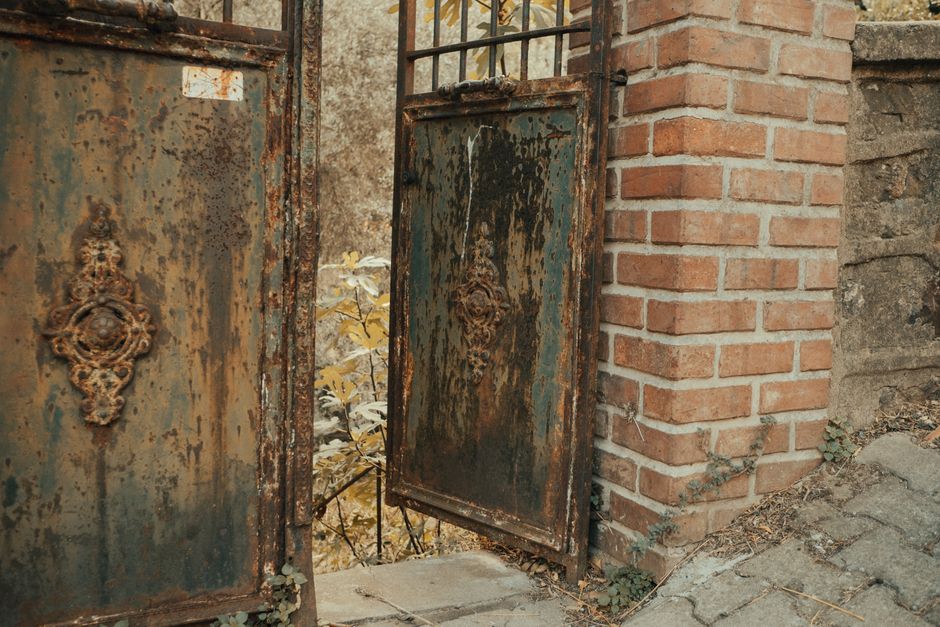
Spring is the time for the heavy inspection, since the wet season is the hardest on steel. The frame is walked from end to end with a flashlight, looking for rust at the weld lines, the bottom rail and the post bases. Paint chips are sanded to bright metal, primed with a zinc-rich primer and painted to match. Any rust that has gone into scale is ground out.
The hinges get grease, the latch gets a drop of oil, and the post bases are checked for water pooling. If water sits at a post, the pavement is regraded or a bead of sealant is run around the base. Limestone dust and leaves collect in the drop rod sleeve, and it is cleaned and given a drain hole.
What changes in summer?
Summer heat expands steel, and a gate that fits in March can bind in August. A long leaf in full sun grows a fraction of an inch, enough to rub a latch or tighten a hinge. The gap at the latch is checked on a hot afternoon, and the keeper is adjusted so the bolt still catches. A gate that binds only in the heat is better adjusted than forced.
Sensors need attention too. A photo eye can be blinded by low sun, and the housing can be loaded with insects. The lens is wiped with a soft cloth, and the beam is checked with a block in the path. A gate opener runs hotter in summer, so the motor cover is kept clear of leaves and mud.
What does fall need?
Fall is for the track, the rollers and the drain paths. A slide gate runs on a track that collects grit, acorns and leaves, and a few minutes with a stiff brush keeps the rollers turning freely. The chain or rack gets lubricant, and the limit stops are checked so the leaf cannot overrun. The posts are checked for movement, because clay near the San Gabriel River settles after summer dryness.
How is the gate prepared for winter?
Winter in Williamson County is mild, but a hard freeze happens, and it can crack a frozen drain or lock a latch. The latch and the keys are given a dry lubricant that does not gum up in cold weather. Battery backup for an operator is tested, since cold weakens a battery. The manual release is thrown once to be sure it is not seized.
Any seepage into the tubing is a concern before a freeze. A tube end with no cap can fill with water and split when it freezes, so open ends are capped and sealed in fall.
Which parts wear first?
Hinges, rollers, latches and the operator belt or chain wear first, in that order of frequency. A hinge that has worn oval lets the leaf sag, and the sag looks like a bent frame. A roller that has flattened rattles on the track and shakes the whole gate. A latch that has been slammed for years bends the keeper and stops catching. These parts are cheap and quick to replace, and a gate that has them replaced on time lasts decades.
How is a gate operator looked after?
An operator needs a short check each season, because it does the hardest work on the gate. The mounting bolts are checked for tightness, since the vibration of daily use loosens them. The arm or chain is checked for slack, and the cover is lifted to look for water, ants and dust. A gate that opens slowly, hesitates at the end of its travel or hums without moving is telling the owner that the motor is working against friction, and the cause is usually a dry hinge or a dirty track.
The force setting deserves a look as well. A setting that is too high can push a leaf into a person or a vehicle, and one that is too low stops the gate on every small bump. The setting is lowered until the gate stops on light contact and raised only as far as needed to close fully against a breeze.
What does the finish need?
The finish is the gate's protection, and it is easiest to keep up while it is still intact. A wash with a hose and mild soap removes the dust, pollen and road film that hold moisture against the steel. Powder coat that has started to chalk is waxed once a year, and a chip is touched up the same week. Galvanized steel dulls to grey, and that is normal, but any white powder at a weld means the zinc is being consumed and needs a coat of zinc-rich paint.
Concrete and soil around the posts matter too. Mulch, sprinkler heads and turf that sit against a steel post keep it wet for hours each day, and a post that stays wet rusts at the ground line first. Pulling grade and mulch back an inch from the metal buys years.
When is it time to call for service?
A gate that drags, a motor that strains, a sensor that fails to reverse or a weld that shows a hairline crack needs a service visit. A gate that sags more than half an inch at the free end has lost its geometry, and the cause is found before the symptom is adjusted away. A reverse that does not trigger on contact is a safety fault, and the gate is taken out of automatic use until it is fixed.
Frequently asked questions
How often should a driveway gate be greased?
Hinges and rollers are greased twice a year, in spring and in fall. A gate in a dusty spot or one used many times a day is greased more often. Over-greasing attracts dirt, so a thin film is enough.
Can a pressure washer be used on a gate?
A pressure washer can strip loose paint and drive water into tube ends and electrical boxes. A hose and a soft brush clean a gate safely. Any bare spot that appears is primed the same day.
What is the most common cause of a gate failing?
A worn hinge or a bad footing causes most problems. The hinge lets the leaf drop, the leaf drags, and the motor strains until it fails. Checking hinges and posts each year prevents most of those chains of events.
Does powder coat need any care?
Powder coat needs a wash and a check for chips. A chip that reaches bare steel is touched up with primer and paint, since rust spreads under the coating once it starts. Galvanized steel needs less attention, but a scratch through the zinc is touched up too.
What is the short answer?
Inspect in spring, adjust in summer, clean in fall and protect in winter. Two hours a year keeps a driveway gate working for decades.