What a Driveway Gate Job Looks Like From Start to Finish
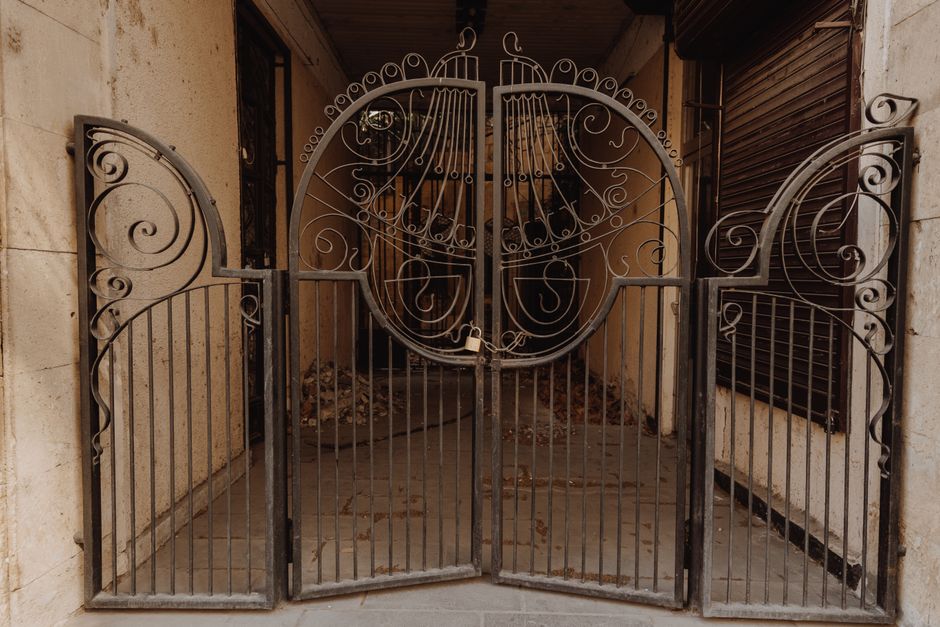
Stand at the street with a tape and walk the job in order, because a gate job in Georgetown, TX, as laid out by driveway gates georgetown museum house on bloor for a metal gate, runs in the same order every time: measure, draw, fabricate, set posts, hang, test. Each step has its own waiting time.
What happens at the measuring visit?

The visit takes about an hour. The width is taken at three heights, the rise across the arc is read with a string line and a level, and the soil is checked at each post. The sheet also records the overhead clearance, the distance to power and the vehicle that must pass. A drawing follows within a few days.
How long does fabrication take?
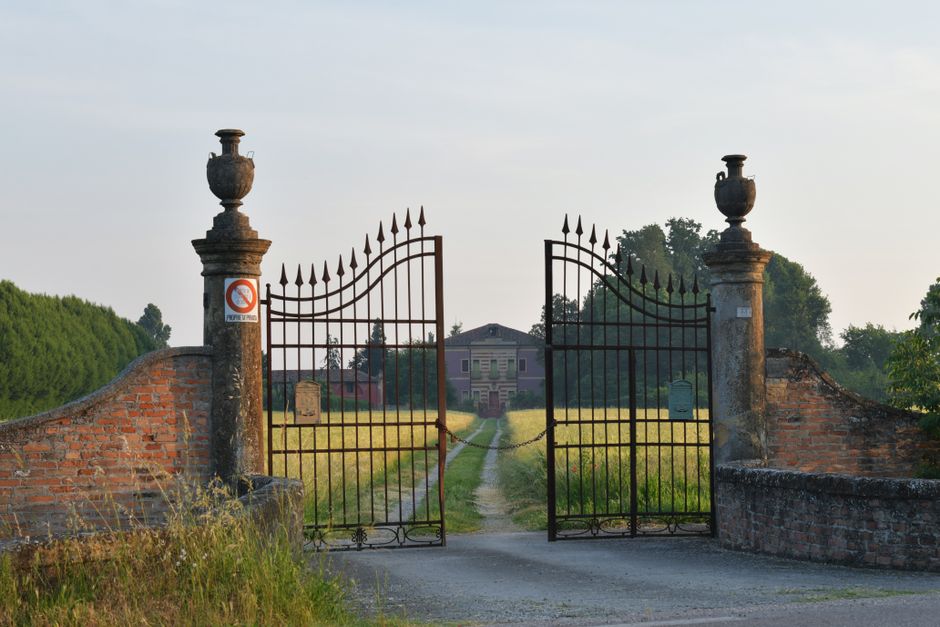
Fabrication takes one to three weeks, depending on the shop schedule and the design. Steel tubing and pickets are cut, the frame is welded square on a flat table, and the welds are ground. A wrought iron gate with scrolls takes longer than a plain picket gate. The frame is held to within an eighth of an inch on the diagonals before it moves on.
What about the finish?
The finish is the longest wait. Powder coat is baked in an oven and takes a few days, and galvanized steel is dipped at an outside plant on its own schedule. A frame that is primed and painted on site needs dry time between coats, and humid weather near the San Gabriel River slows it. Rushing the finish is the quickest way to lose the gate to rust.
When are the posts set?
Posts are set while the gate is in fabrication, so the concrete can cure. A drilled footing in limestone soil goes in within a day, and clay may need a wider hole and more concrete. The post is braced plumb and left for seven days before the leaf is hung. Underground conduit for an operator is laid at the same time.
How is the gate hung and tested?
Hanging takes a few hours for a single swing leaf and most of a day for a dual swing pair or a slide gate. The hinges are set, the latch is aligned, and the leaf is swung through its full arc. A gate opener is mounted and wired, the sensors are aimed, and the reverse is tested with a block of wood. A manual release is thrown and checked.
The last step is a walk around the finished gate. Welds are looked at, paint chips are touched up, and the settings are written down.
What causes delays?
The usual delays are weather, a backed-up finishing shop, permit or utility locates, and a change to the design after the drawing is approved. Rain stops concrete and paint, and a long wet spell near Lake Georgetown can add a week. A gate that was measured carefully, drawn clearly and approved once goes through with few surprises.